
Prevent Costly Transmission Repairs with the Right ATF
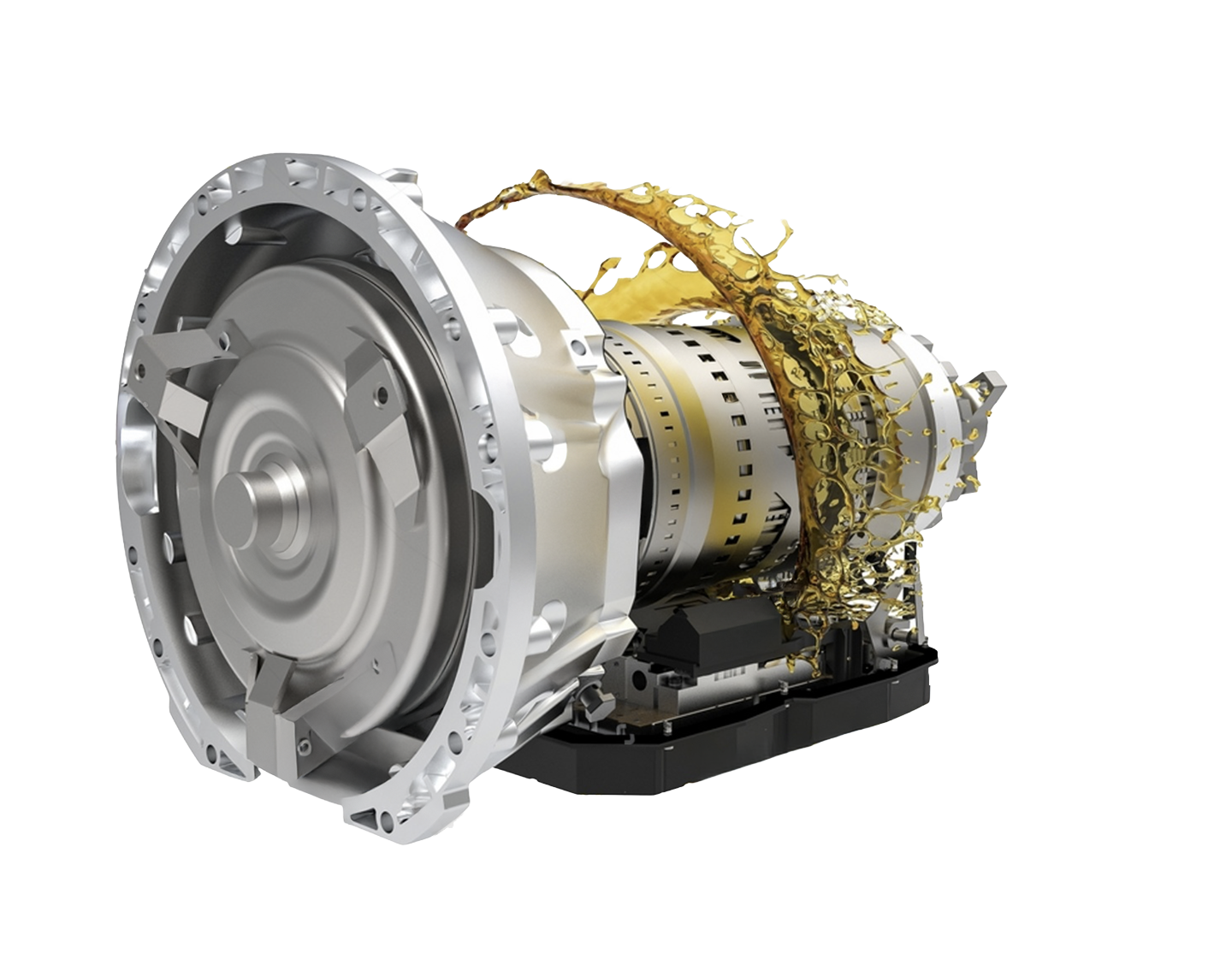
Automatic transmissions are precision hydraulic systems, not just gearboxes. The automatic transmission fluid (ATF) you use affects clutch life, shift quality, heat control, and long-term reliability. Using the wrong or overly “universal” transmission fluid may work short term—but often leads to expensive failures later.
ATF Controls Clutch Friction
Each transmission is engineered around a specific ATF friction curve that determines how clutches apply and release.
Wrong ATF causes:
- Clutch slip, heat, glazing
- Harsh or delayed shifts
- Accelerated clutch wear
Correct Viscosity Maintains Hydraulic Pressure
Modern transmissions rely on precise fluid pressure for clutch apply, shift timing, and solenoid operation.
Wrong viscosity leads to:
- Slow or harsh shifts
- Pressure loss or overheating
- Valve body and solenoid damage
ATF Protects the Valve Body
Valve bodies contain precision passages and tight tolerances. Proper ATF prevents foaming, varnish, and sticking valves—common causes of erratic shifts and trouble codes.
Heat Control Is Critical
Heat is the #1 transmission killer. Every 20°F increase above normal operating temperature can cut ATF life in half.
Correct ATF:
- Transfers heat efficiently
- Resists oxidation
- Maintains viscosity under load
Torque Converter Lockup Depends on ATF Chemistry
Modern torque converter clutches require specific friction behavior. The wrong ATF can cause shudder, overheating, and converter failure.
The Risk of “Universal” or Multi-Use ATF
Many universal transmission fluids only meet minimum specs. Being “close” is often enough to cause long-term wear, shift complaints, and comebacks.
Why ENEOS for Transmission Service
ENEOS works with Asian automakers to meet OEM-specific performance standards, not just broad compatibility.
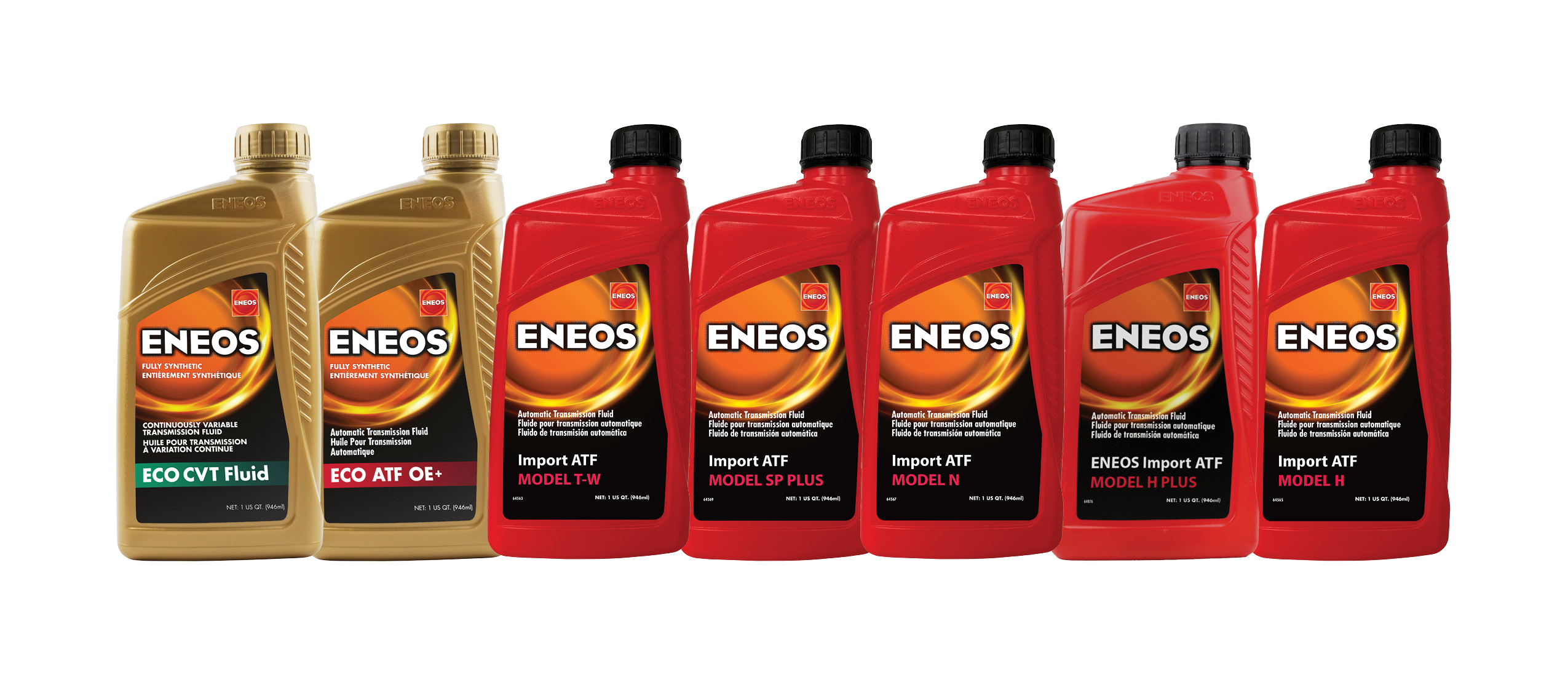
- ENEOS Import Series for exact OEM applications
- ENEOS ECO Series for engineered multi-use coverage
- Consistent friction control and heat stability
Bottom Line for Shops
Using the correct ATF helps:
- Protect clutch packs
- Maintain hydraulic pressure
- Prevent heat-related failures
- Reduce shudder and shift complaints
- Avoid costly comebacks
The right ATF protects both the transmission and your shop’s reputation.