
CVT Fluid Precision
Why CVTs Leave No Margin for Error
Continuously Variable Transmissions (CVTs) operate under different mechanical and hydraulic principles than traditional stepped automatics.
Instead of discrete gear sets, CVTs rely on belt or chain-driven variable pulleys that demand tightly controlled friction behavior. In these systems, transmission fluid is not only a lubricant — it is a calibrated performance component.
Even small deviations in friction characteristics, viscosity stability, or additive chemistry can affect belt traction, pulley interaction, hydraulic response, and heat control.
For professional rebuilders, CVT fluid selection must be precise — not approximate.

Fluid Sensitivity in CVT Design
CVT torque transfer depends on controlled clamping force and stable friction coefficients between the belt (or chain) and conical pulleys. Hydraulic pressure continuously adjusts ratio under load, making fluid behavior central to both traction and control.
Because these systems are engineered around defined friction curves and pressure responses, improper fluid selection can quickly lead to belt slip, shudder, ratio instability, or elevated operating temperatures.
Broad “multi-vehicle” claims may not always align with the exact performance targets required in high-sensitivity CVT applications. A supplier with OE specification access is required.

Common Post-Rebuild Failures Linked to Fluid Selection
In professional service environments, many CVT complaints following a rebuild stem from fluid mismatch rather than mechanical defects.
Typical symptoms include:
- Shudder or vibration under load
- Delayed or inconsistent ratio response
- Overheating under sustained driving conditions
- Accelerated belt or pulley wear
These issues often appear quickly, reinforcing the importance of specification-aligned fluid selection.
Professional Considerations for CVT Fluid Selection
When rebuilding or servicing CVT systems, professionals should evaluate:
- Exact OE fluid specification requirements
- Compatibility with specific belt or chain materials
- Thermal stability under high shear conditions
- Proven friction performance validation
A specification-driven approach reduces uncertainty and protects both rebuild integrity and customer satisfaction.
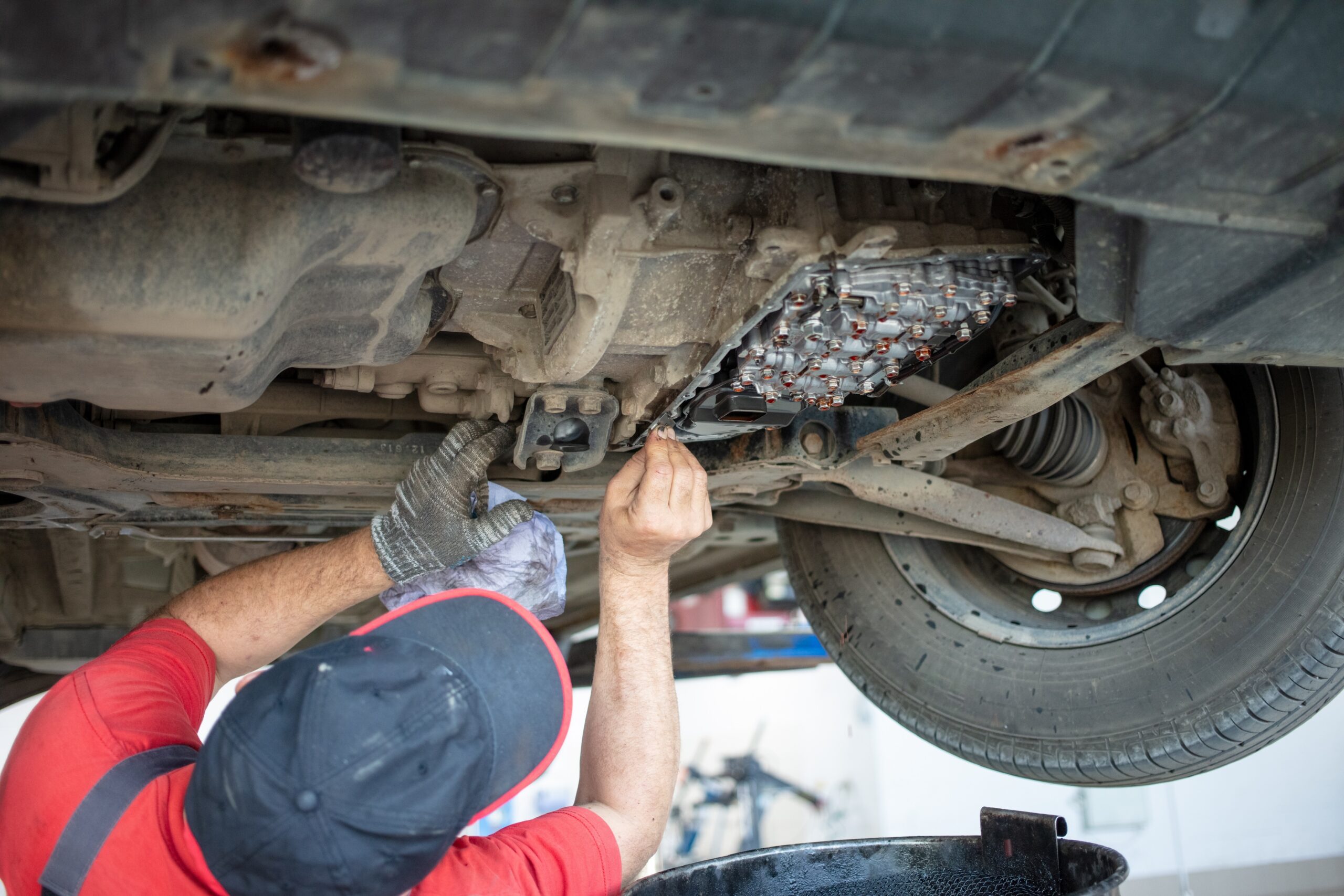
Understanding Coverage Strategies — Broad/Multi vs. OE-Specific CVT Fluids
In the professional aftermarket, CVT fluid selection often follows two strategic approaches:
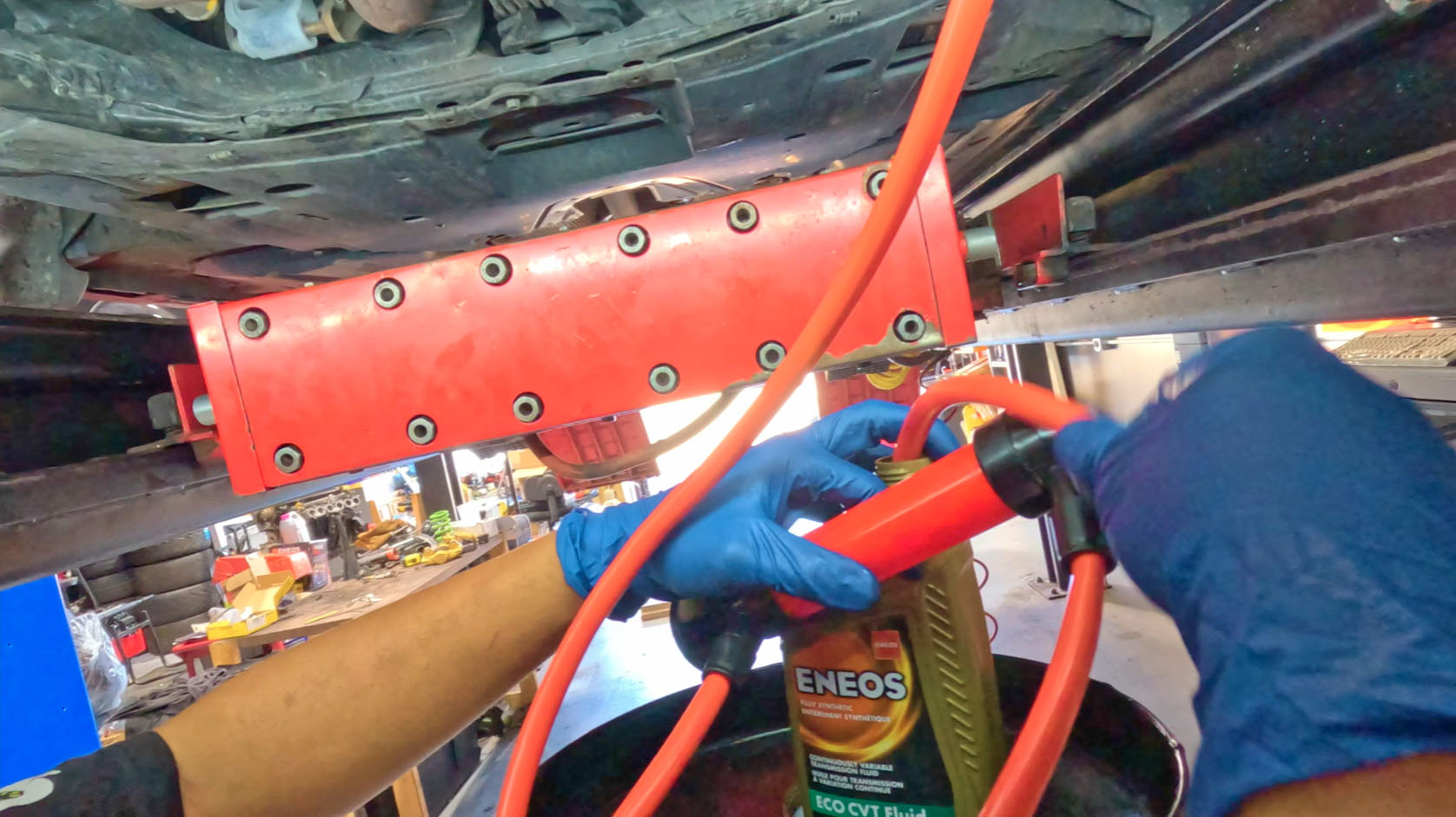
Broad / Multi-Coverage Formulations
Designed to service a wide range of CVT applications across multiple manufacturers, these formulations—often referred to in the industry as “multi-vehicle” fluids—prioritize compatibility across numerous specifications while maintaining stable friction performance. In ENEOS product terminology, this approach is described as broad coverage.
When selecting a broad or multi-coverage formulation, rebuilders should consider fluids developed by trusted manufacturers with direct OEM engineering involvement.
Brands that collaborate with vehicle manufacturers at the R&D level—such as ENEOS—bring formulation insight rooted in OE development experience rather than reverse-engineered approximation.
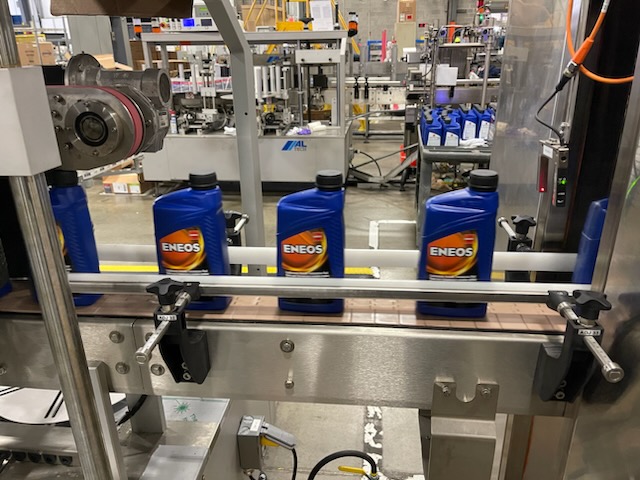
OE-Specific Formulations
Engineered to align closely with individual manufacturer specifications, these fluids focus on meeting precise friction curves, viscosity targets, and performance characteristics defined by specific OEM requirements.
As vehicle technology has evolved—particularly among Japanese automakers who were early adopters and innovators in CVT systems—fluid requirements have become increasingly specialized. Advancements in pulley metallurgy, belt design, hydraulic calibration, and electronic control strategies have driven the need for OE-specific formulations that support exact engineering intent. These developments have created a growing demand for fluids tailored to assist transmission professionals working on highly refined CVT platforms.
For rebuilders, understanding when broad or multi-coverage is appropriate versus when OE-specific alignment is critical depends on the transmission design, customer expectations, and service application.
This distinction becomes particularly important in high-sensitivity CVT systems where friction calibration tolerance may be narrow.
How CVT Pulleys and Belts Transfer Torque
To better visualize how CVT systems operate, watch the following technical overview. The video illustrates pulley movement and belt or chain interaction, helping explain how torque is transferred through the variable pulley system—and why precise transmission fluid behavior is essential for maintaining the friction balance that allows these components to function correctly.
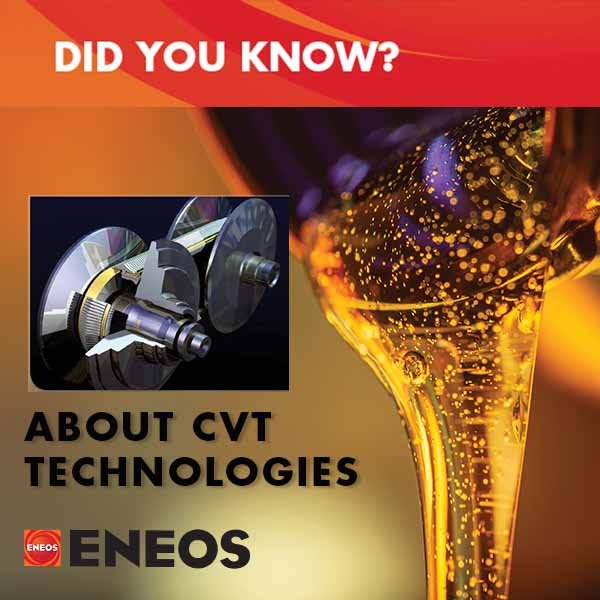
Supporting Technical Info
For additional CVT-specific and foundational reference, see:
Closing Perspective
In CVT systems, fluid precision directly influences system reliability.
For professional rebuilders, treating CVT fluid as a calibrated engineering component — rather than a general-purpose lubricant — is essential to reducing post-service risk and maintaining performance consistency.
Looking Ahead — Emerging Drivetrain Technologies
Beyond CVTs, hybrid and electric drivetrain systems introduce additional lubrication challenges, including electrical compatibility and integrated motor-gearbox assemblies.
The next section will explore EV & Hybrid Drivetrain considerations.
